
It is easy to think of potatoes as nothing more than comfort food. Fries on Friday night. Mashed potatoes over Christmas. Perhaps a pack of chips in the fridge. However, potatoes are doing much more than filling dinner plates behind the scenes.
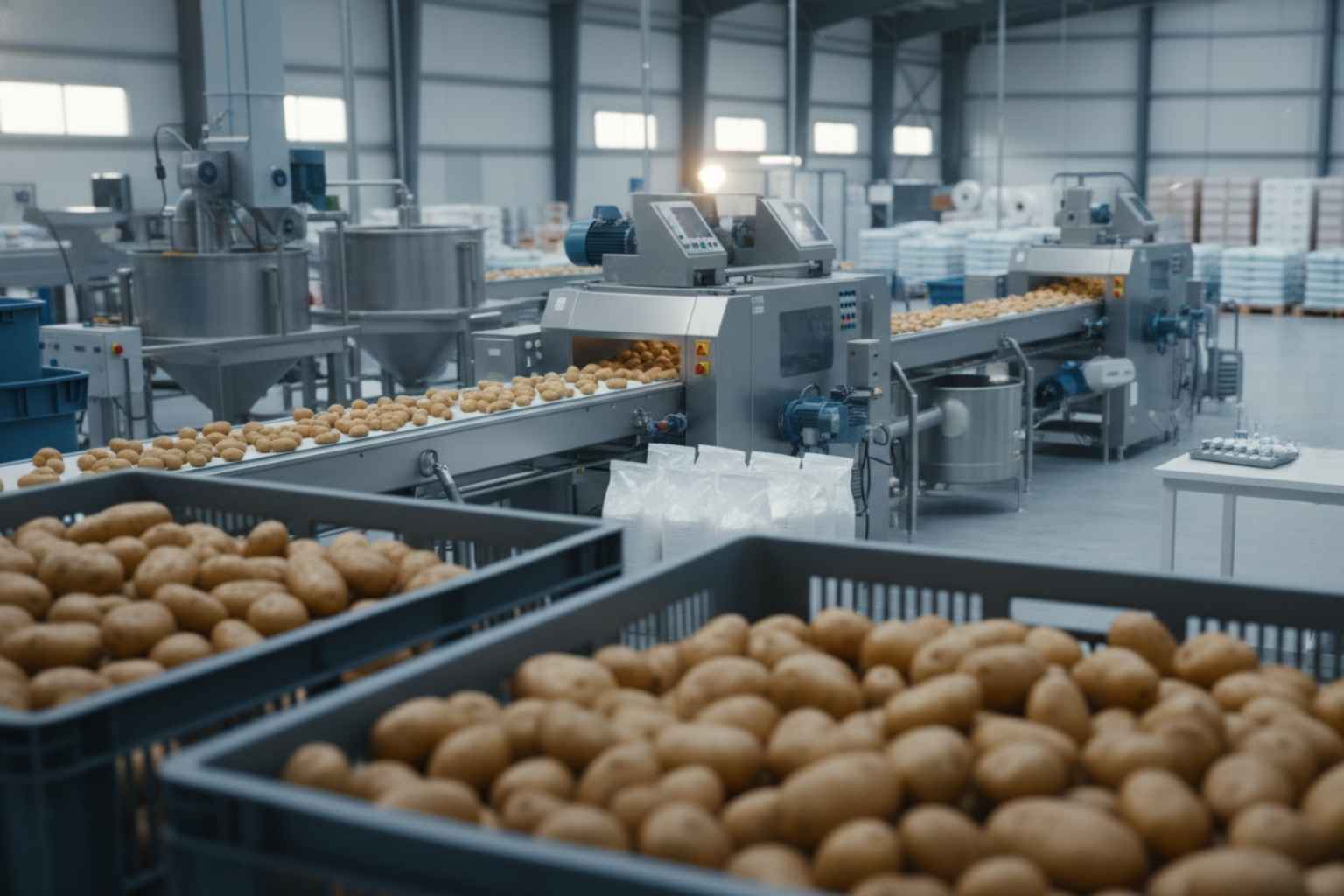
Potato ingredients have been useful industrial components in manufacturing plants, food processing plants, pharmaceutical plants, textile plants, and even paper factories. Quietly. Efficiently. Which also happens to be sustainable in many cases.
Today, starches, proteins, fibres, and modified compounds from potatoes are important components in modern industrial activities. And demand keeps on rising.
What Are Potato-Derived Ingredients?
Potato ingredients are functional ingredients that are isolated and processed from potatoes for use in commerce and industry.
These are generally:
- Potato starch
- Modified potato starch
- Potato protein
- Potato fiber
- Potato flakes/granules
- Resistant starch
Out of all these, potato starch is the most common ingredient used, owing to its excellent thickening ability and high water retention capacity. This is due to the fact that not only do they have functional uses, but also because of the natural sources they come from.
Why Industries Prefer Potato-Based Ingredients
There are several benefits of potato-derived ingredients over other starches and fillers.
Some of the greatest advantages are:
- Its ability to bind and have high viscosity
- Neutral flavor profile
- Gluten-free compatibility
- Strong moisture retention
- Excellent texture stabilization
- Bio and renewable source materials
- Good freeze-thaw stability
For example, potato starch is used for the preparation of smooth and very viscous pastes at relatively low temperatures and in both food and industrial production. That versatility matters.
Today, manufacturers are being challenged to push the capabilities of their products further and further, while simultaneously keeping up with consumer expectations of sustainability and ingredient transparency. Potato ingredients come to the rescue.
Applications of Potato-Derived Ingredients Across Industries
1. Food Manufacturing and Processing
It still forms the largest group of applications. The foods that have been processed are made up of potato starch, whose functions include improving the texture, stability, water binding, and consistency of these foods without interfering with their taste.
Potato ingredients are found in the following products:
- Soups and sauces
- Frozen meals
- Bakery products
- Snack foods
- Confectionery
- Instant foods
- Processed meats
- Dairy alternatives
Potato starch is used in baked goods to help make them softer and moister. In snack manufacturing, it helps make the snacks crisp and decreases the amount of oil absorbed in the frying process. But potato starch is gluten-free by nature, thus making it particularly relevant for gluten-free product development.
2. Plant-Based Protein and Alternative Foods
Plant-based foods are no longer the thing of the past. The surge in popularity of meat substitutes and dairy-free products has made potato protein more and more valuable. Potato protein has a good amino acid composition and has some interesting functional properties like emulsification, foaming, and gel formation.
Thus, its effectiveness lies in its ability to be used in:
- Plant-based meat products
- Vegan baked goods
- Foods that have additional protein content
- Dairy-free products
- Nutritionally formulated foods
The potato protein typically has a smoother flavor profile and texture than other plant proteins and also does not contribute to the flavor or grittiness of the product. The potato protein is typically more versatile when it comes to sensory attributes and is also sustainable.
3. Paper Industry Applications
Potato starch has been employed in papermaking for many years due to its ability to enhance paper strength, printability, and paper surface quality. Starch in paper-making is used as:
A surface sizing agent
- A coating binder
- A strength enhancer
- A viscosity controller
In the printing industry, the starch aids in improving the bonding of fibres, making paper products smoother, stronger, and better ink receptive. Potato starch is still a promising alternative to some synthetic additives in the food and feed industry, as they look for biodegradable and renewable raw materials.
4. Textile Industry Uses
Potato starches are applied in the textile industry in the production of yarns and fabric finishing. Potato starch is used as a sizing agent (strengthening agent) in weaving to make the yarns stronger, and is used in the manufacturing process to prevent yarns from breaking.
It also helps with:
- Fabric coating
- Surface finishing
- Thread stabilization
- Improved weaving efficiency
Starch-based treatments are environmentally friendly, and they fit in with growing sustainability efforts in the textile industry.
5. Pharmaceutical and Medical Applications
The derivatives of potato starch have various uses in the pharmaceutical industry. Due to their binding and stabilizing characteristics, potato starches can be utilized in manufacturing tablets and drugs. Modifications of these starches can help improve uniformity, disintegration, and stability of the components.
Applications are:
- Binders for tablets
- Fillers for capsules
- Stabilizers for drugs
- Controlled release mechanism
The resistant potato starch has also gained importance owing to its use in promoting digestive system health and a good microflora in the gastrointestinal tract due to the presence of resistant starch.
6. Adhesives and Industrial Binding Agents
Potato starch is an outstanding natural adhesive material.
It has binding properties and is useful for:
- Corrugated packaging
- Labels
- Wallpaper adhesives
- Industrial glues
- Paperboard manufacturing
Starch-based chemicals are renewable and biodegradable and are often used as substitutes for petroleum-based chemicals by industries that want to minimize their reliance on petroleum.
7. Sustainable Packaging and Bioplastics
The largest use of biodegradable products is found in the industrial sector. Starch from potatoes can serve as the base material for the production of compostable packaging, bio-plastics based on potato starch, and sustainable films. The product is biodegradable, making it very popular among industries that wish to reduce their plastic content.
There is an opportunity for further development of starch-based packaging products since sustainability regulations are tightening across the world.
The Role of Modified Potato Starch
Although native potato starch is inherently functional, there are more ways to exploit its potential when modified.
Companies may improve:
- Heat stability
- Tolerance to acids
- Freeze-and-thaw stability
- Storage stability
- Control of texture
In an industrial manufacturing environment, products need stable behavior under stringent processing conditions, especially modified starches.
Conclusion
Although potatoes might appear to be simple products, ingredients made from potatoes have turned out to be highly useful in various industries. Whether it comes to the food industry, the paper industry, or the pharmaceutical industry, the use of ingredients made from potatoes proves to be highly versatile and sustainable.
With advancements in industrial technology, there is an expected rise in the demand for plant-based functional ingredients. For companies looking for dependable ingredient supplies, New England Flour keeps assisting manufacturers with their requirements through ingredients that suit current industry requirements.
