
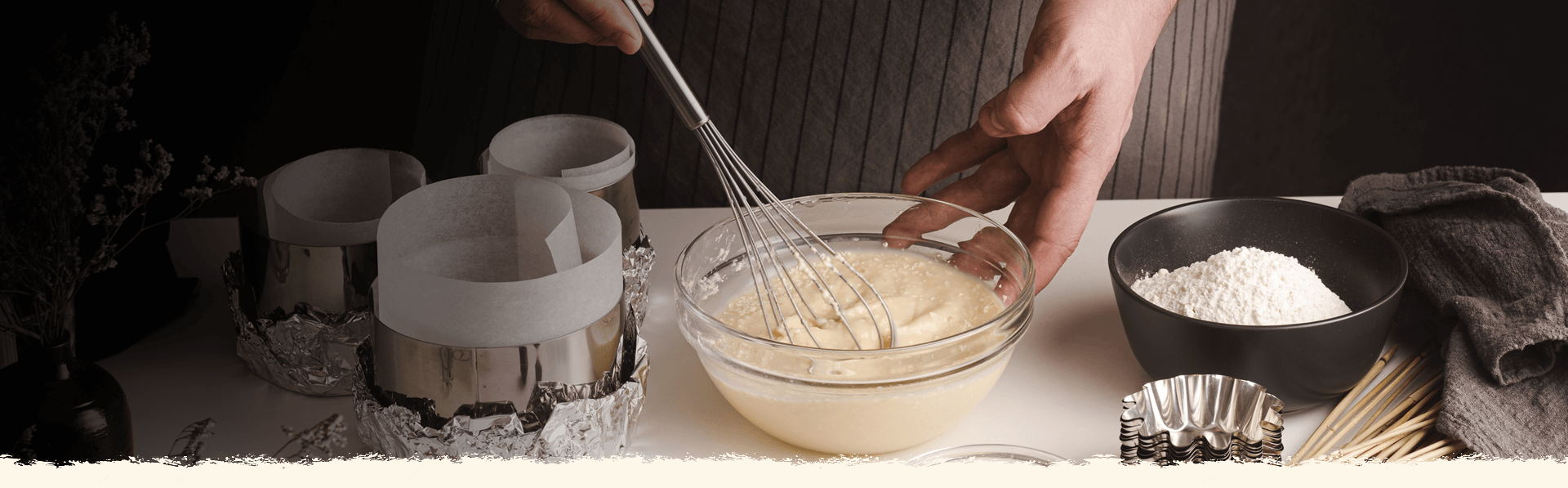
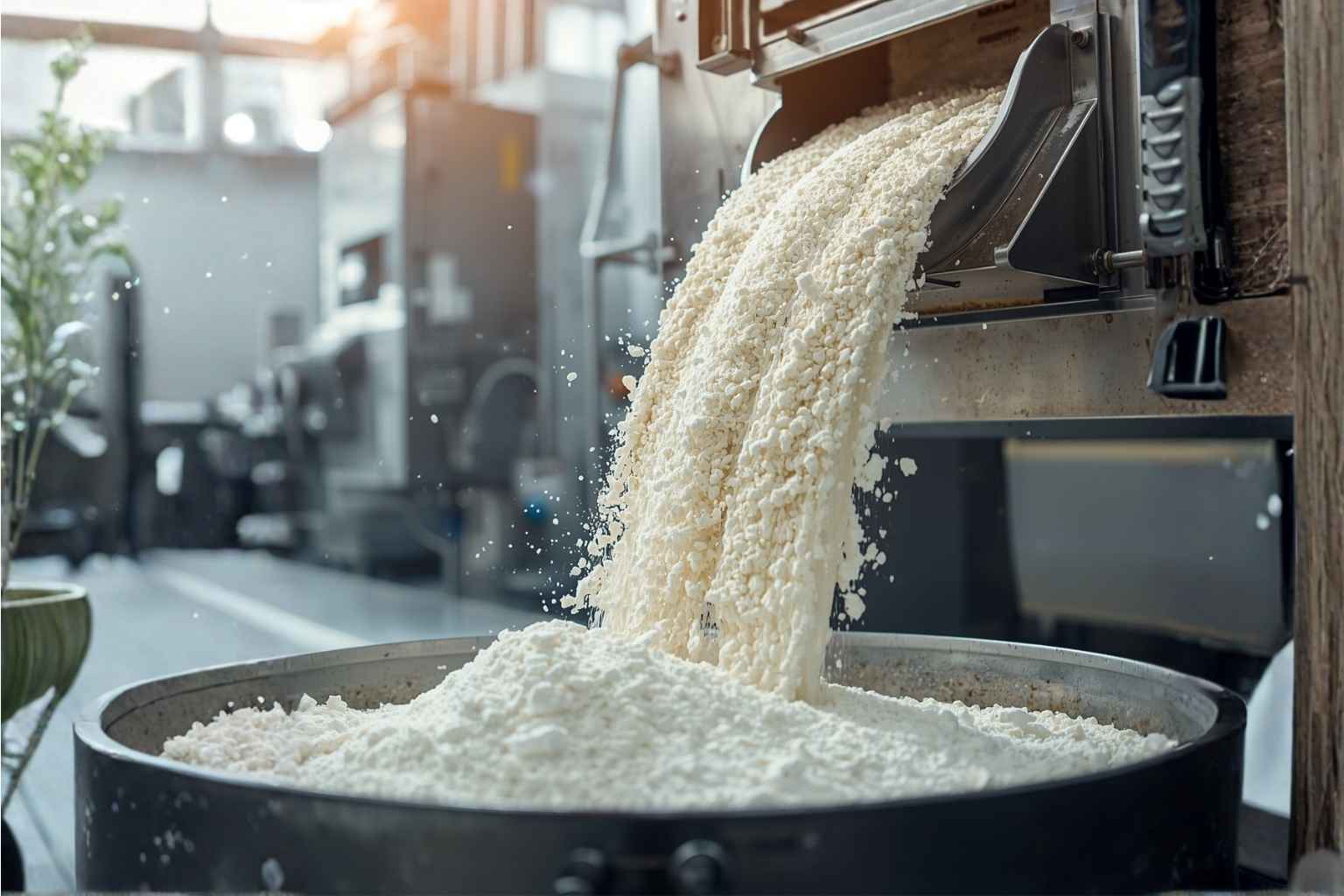
Walk into any commercial kitchen or food production facility, and one thing becomes obvious pretty quickly: flour. Two batches might look identical on the surface. Same color, same texture, but once they are in production, one performs beautifully. The other? Not so much. That difference often comes down to the milling process, an aspect many people overlook.
Food manufacturers, bakers, and processors have much more to gain from milling than mere knowledge of the science.
What Exactly Does Milling Do to the Grain?
Milling is essentially the process by which grain is converted into flour. This is not an easy task.
There are three main parts to every grain particle:
- Brans - the outer layer (full of fiber)
- Germ - the middle layer (full of nutrients)
- Endosperm - the inner layer (forms refined flour)
The division and treatment of the grains in stages will result in the final flour product with some characteristics. Most importantly, how those parts are handled determines quality, consistency, and shelf life.
The Steps in Milling Process
1. Cleaning and Conditioning
The step of conditioning and cleaning comes before the start of milling process.
It involves:
- Endosperm softening
- Bran toughening
- Separation efficiency improvement
The right amount of moisture is needed to produce clean separation and quality flour.
If done poorly?
- More bran contamination
- Darker flour
- Inconsistent performance
It is a small step with a big impact.
2. Grinding and Separation
The grains are milled gradually rather than crushed immediately.
Current milling techniques include:
- Roller milling
- Stone milling
These yield distinct results:
Roller Milling
- Delicate flour
- Little bran and germ content
- Longer shelf life
Stone Milling
- Higher bran and germ content
- Enhanced taste and nutritional value
- Shorter shelf life
You can actually pick a “better” milling process, but the one that suits the desired application.
3. Purification
In the second stage, the mixture will contain:
- Endosperm only
- Remnants of bran
- Irregular granules
Purification aims to achieve:
- Superior flour purity
- Consistent coloration
- Improved baking characteristics
Failure to purify properly will lead to inconsistencies in flour quality.
How Milling Directly Impacts Flour Quality
Milling has a direct impact on your flour quality, with the following aspects particularly noticeable:
1. Particle Size and Consistency
If you have particle sizes that are consistent in your flour, it means:
- The flour will absorb more water
- The dough’s properties will remain stable
- It will be easier to process
Inconsistent milling leads to problems with moisture content and processing. This alone can cost money for big manufacturing businesses.
2. Protein and Gluten Structure Behavior
During milling, protein behavior depends on the type of flour used:
- Fine flour gives better gluten structure
- Whole wheat flour gives poor gluten structure as the bran interferes
This influences:
- Elasticity of dough
- The ability to rise
- Product quality
3. Color and Ash Content
The ash content indicates the mineral content of flour.
- Higher bran content results in more ash content (Dark flour)
- Lesser bran content results in lower ash content (Light flour)
With controlled milling comes:
- Uniform coloration
- Uniform production quantity
4. Flavor and Aroma
Less refined flour, for example, stone-ground retains:
- Its natural oils
- Its aromatic compounds
This translates to:
- Superior flavor
- Increased complexity
However, it also means:
- Faster spoilage
The Essential Connection Between Flour Production and Shelf Life
And here comes the twist. Shelf life does not begin at storage – it begins with the milling process.
1. The Role of the Germ
The germ contains natural oils.
When it remains in flour:
- Nutritional value increases
- Shelf-life decreases
Why?
The reason is that the oxidation of these oils over time leads to:
- Rancidity
- Bad odors
- Degraded flavor
That is why refined flour lasts longer, as the germ gets extracted from the milling process.
2. Controlling Moisture Levels
Moisture levels play a key role when it comes to shelf stability.
Having higher moisture levels leads to:
- Mold
- Infestation
- Bad quality
Controlling moisture during milling ensures that there will be:
- A more extended shelf life
- Safe storage
3. Exposure to Air and Heat
After grain milling:
- Surface increases
- The products get exposed to oxygen
What happens next is that the following process happens faster
- Oxidation
- Breakdown of nutrients
- Flavor loss
4. Refinement vs Shelf Stability
When comparing both of these factors, here is what it looks like.
| Type of Flour | Shelf Life | Nutritional Value |
|---|---|---|
| Refined (white) | Longer | Lower |
| Whole grain | Shorter | Higher |
Refined flour can last months (or longer with proper storage), while whole-grain flour spoils faster due to oil content.
Why This Is Important for Food Manufacturers
In industrial food manufacturing, consistency is everything.
Milling affects:
- Quality of product
- Production process
- Waste generation
- Customer satisfaction
A small change in the quality of flour can result in:
- Inconsistent batches
- Delays in processing
- Increased costs
That is why manufacturers depend on milling companies that know both sourcing and milling science.
Quality, Nutritional Value, and Shelf-Life Balance
One answer does not fit all.
The appropriate flour is determined by:
- The intended end use (baking, snacking, processing)
- Self-life specifications
- Nutritional considerations
- Processing methods
Most important of all is control:
- Controlled sources
- Controlled milling processes
- Controlled storage
The Bigger Picture
Milling is more than just an operation in food manufacturing; it is the core of flour functionality.
The choices made about moisture regulation, grain size, germ elimination, and purification all dictate what follows:
- During dough formation
- At the factory
- On the supermarket shelves
For companies whose products rely on consistent ingredient functionality, these factors are vital.
Conclusion
The difference between average flour and high-performing flour is not always visible. However, it tends to show up in results. That is why working with a partner who understands both ingredient sourcing and milling impact makes all the difference.
New England Flour supports manufacturers with consistent, high-quality ingredients backed by real market insight and supply reliability. This will help you maintain performance, stability, and confidence across every batch.
