

Latest Blog
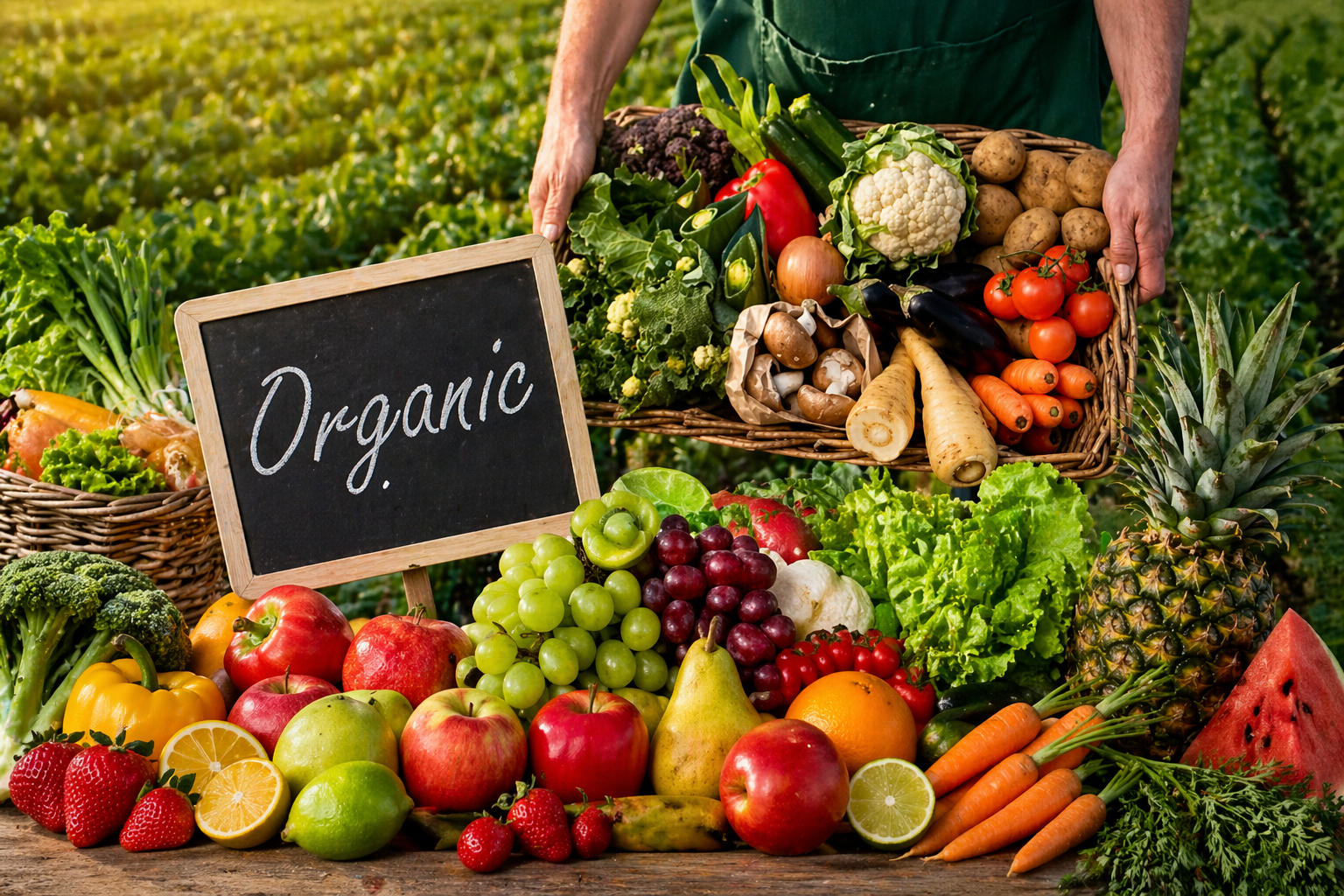
Organic Flour for Bulk Buyers: What the Certification Means, What It Costs, and When It’s Worth It
14 Apr 2026
Organic flour has moved well beyond the natural food niche it occupied two decades ago. Today it sits on the ingredient lists of major restaurant groups, regional grocery chains, fast-casual concepts, and packaged goods brands that are selling into mainstream retail. The demand is real, the market is growing, and for bulk buyers trying to decide whether to add organic flour to their sourcing mix, the question isn't really whether organic matters — it's whether it matters for your specific operation, your customers, and your margins.
This article breaks down what USDA organic certification actually requires for flour, why organic wheat costs more and why that price gap has been narrowing in some segments, what the functional differences are (and aren't) between organic and conventional flour, and how to evaluate whether organic is the right specification for your business at volume.
What USDA Organic Certification Actually Requires
The USDA National Organic Program sets the federal standard for organic certification in the United States, and it's more comprehensive than many buyers realize. For wheat to carry the USDA Certified Organic seal, it must be grown on land that has been free of prohibited substances — synthetic fertilizers, most synthetic pesticides, and genetically modified organisms — for a minimum of three years prior to harvest. That three-year transition period is one of the primary reasons organic wheat costs more: farmers absorb the cost of transitioning their land without being able to sell their crop at organic premiums until the certification period is complete. Beyond the field, organic certification extends through the entire supply chain. Grain elevators that store organic wheat must maintain documented segregation from conventional grain. Mills that process organic flour must operate under an organic system plan approved by a USDA-accredited certifying agent, with regular inspections and audit trails that track the grain from farm to finished flour. Every handler in the chain carries their own certification. When you buy certified organic flour from a reputable supplier, you're buying into that entire verified system — not just a farming practice.Why Organic Flour Costs More — and What Drives the Price Gap
The price premium for organic flour over conventional flour is real and persistent, typically ranging from 30 to 80 percent depending on the flour type, the market conditions in a given season, and the volume you're purchasing. Understanding what drives that premium helps you evaluate whether it reflects genuine value or supply chain inefficiency. The largest cost driver is yield. Organic wheat farming, particularly in the transition away from synthetic inputs, typically produces lower yields per acre than conventional farming. Without synthetic nitrogen fertilizers and with more limited pest and disease management tools, organic wheat farmers manage more variability and accept a lower average output. That cost gets priced into the grain. On top of the yield differential, organic certification itself carries administrative costs — inspection fees, paperwork, system plan maintenance — that get passed through the supply chain. Processing adds another layer. Organic mills often run smaller volumes through dedicated or thoroughly cleaned equipment, which drives up per-unit costs compared to the continuous high-volume runs that make conventional flour so cost-efficient at scale. Dedicated organic lines and thorough changeover cleaning between conventional and organic runs represent real costs that appear in the price you pay per hundredweight. Supply and demand dynamics also play a meaningful role. Organic wheat acreage in the United States has been growing but remains a small fraction of total wheat production. When demand from food manufacturers and foodservice operators outpaces the certified organic supply, prices rise. Conversely, years with strong organic harvests can compress the premium modestly. For bulk buyers, this means organic flour pricing is more volatile than conventional, and locking in supply agreements with your flour distributor is more important when you're buying organic at volume.The Functional Difference Between Organic and Conventional Flour
This is the question professional bakers and food scientists care most about, and the honest answer is nuanced. From a pure chemistry standpoint, organic and conventional flour milled from the same wheat variety to the same protein specification will perform very similarly in most applications. Protein content, ash content, moisture, and falling number — the specifications that actually drive baking performance — are determined by wheat variety, growing conditions, and milling practices, not by whether synthetic fertilizers were used in the field. That said, there are real-world differences that experienced bakers notice. Organic wheat is more likely to come from heritage or regionally adapted varieties rather than the high-yield modern varieties that dominate conventional agriculture. Those varieties often have different flavor profiles — more complex, sometimes nuttier or more wheaty — that show up noticeably in lean doughs like sourdough and artisan bread where the flour flavor has room to express itself. For rich doughs loaded with butter, eggs, and sugar, the flavor difference is largely masked. Organic flour can also behave differently in terms of hydration and fermentation. Wheat grown without synthetic nitrogen tends to have slightly different protein quality characteristics that can affect gluten development and fermentation timing. Professional bakers switching from conventional to organic flour often report needing to adjust hydration levels modestly and paying closer attention to fermentation. These aren't problems — they're adjustments — but they're worth knowing about when you're scaling production.Organic Flour and Clean Label: Understanding What Your Customers Are Buying
For food manufacturers and foodservice operators, the value of organic flour is often less about the flour itself and more about what the certification communicates to the end consumer. USDA Certified Organic has become one of the most recognized and trusted food labels in the country, and in channels where clean-label positioning drives purchase decisions — natural grocery, premium fast casual, direct-to-consumer packaged goods — organic certification can meaningfully differentiate a product. Research consistently shows that a segment of consumers will pay a premium for organic ingredients and that organic positioning supports higher retail price points across food categories. For manufacturers doing the margin math on organic flour's higher input cost, the question is whether the organic claim enables sufficient price premium at the consumer level to justify the sourcing cost. In premium channels, the answer is frequently yes. In cost-sensitive foodservice or value retail, the calculus is different. It's also worth understanding that organic certification is one of the few food label claims that carries legally binding federal standards and mandatory third-party verification. Unlike "natural," "clean," or "wholesome" — which have no regulatory definition and can be applied to virtually any product — the USDA Organic seal means something specific and auditable. That credibility is part of what buyers are paying for.Organic Flour Types Available for Bulk Purchase
The organic flour market has matured significantly over the past decade, and most of the flour types that matter for commercial production are now available in certified organic specifications at bulk scale. Organic all-purpose flour is the most widely available and competitively priced, with a robust supply base across multiple regional mills. Organic bread flour and organic whole wheat flour are also well-established bulk categories with reliable year-round availability from quality suppliers. Organic cake flour and organic pastry flour are available but represent a thinner market — fewer suppliers, tighter supply, and more seasonal pricing variation. For bakeries or manufacturers that rely on these lower-protein flour types, building a relationship with a distributor who can provide advance notice of supply constraints is particularly important. Organic high-gluten flour and organic semolina are specialty items with the most limited availability and highest premiums, typically sourced from a small number of dedicated organic mills. When evaluating organic flour for bulk purchasing, ask suppliers about their certified organic volume capacity and their ability to hold pricing across a season or a contract period. The answer tells you a lot about how well-positioned they are in the organic supply chain versus simply reselling organic flour opportunistically when it's available.Transitional Organic Flour: A Sourcing Opportunity Worth Knowing About
One of the less-discussed segments of the organic flour market is transitional grain — wheat grown on farms that are in the three-year transition period required before full organic certification. Because these farms can't yet sell their grain at certified organic premiums, transitional wheat often trades at prices between conventional and certified organic, offering buyers a middle-ground option. Some buyers and brands have built sourcing programs around transitional grain specifically as a way to support farmers who are moving toward organic practices while accessing a price point that works for their cost structure. Whole Foods Market helped popularize this model with their Responsibly Grown program, and a number of regional food manufacturers have followed. It's not a mainstream bulk category, but for buyers who have flexibility in how they communicate their sourcing story and want to support the growth of organic wheat acreage, transitional flour is worth asking your supplier about.Organic Certification in Your Supply Chain: Documentation and Compliance
If you're a food manufacturer using organic flour in a certified organic finished product, you need more than just a bag with the USDA seal on it. You need documented proof that your flour supplier holds a current, valid organic certificate from a USDA-accredited certifying agent, and that certificate needs to cover the specific flour products you're purchasing. Your own organic certification will require you to maintain these supplier certificates on file and make them available during inspections. This is an area where working with an established, organized bulk flour supplier matters more than it might with conventional flour. A supplier who can quickly provide current certificates, transaction certificates for specific lots, and documentation of their organic system plan is a supplier who understands the compliance requirements of organic manufacturing. Gaps in supplier documentation can create compliance problems for your own certification — something that's easy to avoid with the right partner.Is Organic Flour Right for Your Operation?
The honest answer is that it depends entirely on your business. If your customers are actively looking for organic certification, if your retail channel requires it, or if organic positioning is central to how your brand differentiates itself, then the premium is justified and organic flour should be a core part of your ingredient sourcing strategy. If your customers are primarily price-sensitive and organic certification doesn't appear on their requirements list, then the premium is a cost without a corresponding revenue benefit. Many operations find that a blended approach works best — sourcing organic flour for their premium product lines and conventional flour for their standard range, with clear internal systems to keep the two supply chains separate. This approach lets you serve multiple customer segments without absorbing organic premiums across your entire flour volume. At New England Flour, we supply certified organic flour in all major categories, with full documentation available for every lot. Whether you're building an organic product line from scratch or looking to add a certified organic SKU to an existing range, our team can help you find the right specification, understand the supply landscape, and structure a sourcing arrangement that makes sense for your volume and your margins. Get in touch to request organic spec sheets and pricing.